Table of Contents
- Key Takeaways
- Quick Verdict
- Product Overview & Specifications
- Real-World Performance & Feature Analysis
- Design & Build Quality
- Performance in Real Use
- Ease of Use
- Durability & Reliability
- Pros & Cons
- Comparison & Alternatives
- Cheaper Alternative: Staples School Chalk
- Premium Alternative: Prang Dustless Chalk
- Buying Guide / Who Should Buy
- FAQ
If you’re a parent searching for dustless chalk for toddlers, you’ve likely experienced the chalk dust dilemma. You want to encourage your child’s creativity and early writing skills, but you don’t want fine white powder coating every surface in your home or triggering respiratory concerns. As someone who’s tested dozens of children’s art supplies in both classroom and home settings, I understand this tension between developmental benefits and practical mess management.
Crayola positions their White Chalk Sticks as the solution—non-toxic kids chalk that promises minimal dust and maximum safety for children as young as 12 months. But having used these chalks extensively with my own toddlers and in preschool environments, I’ve discovered the reality behind the marketing claims. Some products labeled “dustless” still create noticeable residue, while others sacrifice smooth writing for reduced mess. In this hands-on review, I’ll break down exactly how Crayola’s offering performs in real-world scenarios, who should genuinely consider them, and when you might want to explore alternatives.
Key Takeaways
- Crayola’s “dustless” claim holds up reasonably well compared to traditional chalk, though minimal dust still occurs during vigorous use
- Non-toxic certification provides peace of mind for parents of mouthing-stage toddlers, though supervision remains essential
- Smooth application comes with a durability trade-off—these chalks wear down faster than harder, dustier alternatives
- The value proposition shifts dramatically depending on whether you need true dust-free performance or can tolerate some residue
- Age recommendation of 12 months+ seems optimistic—most children under 18 months struggle with the fine motor requirements
Quick Verdict
Best for: Parents seeking reputable brand safety for indoor chalk use with toddlers aged 2-4 years; daycare centers needing reliable, non-toxic supplies; those prioritizing easy cleanup over maximum chalk longevity.
Not ideal for: Outdoor use on rough surfaces; families needing completely dust-free chalk for allergy concerns; budget-conscious shoppers needing maximum chalk volume per dollar.
Core strengths: Crayola’s trusted safety standards, genuinely reduced dust compared to conventional chalk, smooth writing experience that doesn’t require heavy pressure, easy availability at major retailers.
Core weaknesses: Higher cost per stick than generic alternatives, faster wear rate than harder chalks, “dustless” doesn’t mean completely dust-free, limited color options in the white-only package.
Product Overview & Specifications
Crayola White Chalk Sticks represent the company’s entry into the safe chalk for babies market, specifically targeting the 12-month to 3-year age range. Having tested similar products from multiple brands, I appreciate that Crayola doesn’t overpromise complete dust elimination—a claim I’ve found misleading in some competitors. Instead, they focus on reduced dust combined with their established non-toxic formulation, which carries more weight coming from a brand with decades of children’s product safety experience.
The chalks measure approximately 3.5 inches long with a standard diameter that fits comfortably in small hands, though children under 2 typically use a full-fist grip rather than the tripod grasp needed for proper writing technique. The packaging is straightforward—a simple cardboard box containing 12 white chalk sticks—without the plastic waste common in many children’s art supplies.
| Specification | Details |
|---|---|
| Product Dimensions | 6.5 x 1 x 4.2 inches |
| Item Weight | 3.2 ounces |
| Chalk Length | 3.5 inches each |
| Chalk Count | 12 sticks |
| Recommended Age | 12 months to 3 years |
| Dust Level | Reduced (not eliminated) |
| Toxicity | AP Non-Toxic Certified |
| Primary Use | Indoor chalkboards, smooth surfaces |
Real-World Performance & Feature Analysis
Design & Build Quality
Having handled countless chalk varieties, I immediately noticed Crayola’s deliberate balance between softness and structural integrity. The chalk has a consistent density throughout each stick—no crumbly sections or hard spots that create uneven lines. This uniformity matters more than you might think when working with toddlers who apply unpredictable pressure. Cheap chalk tends to fracture along internal fault lines, creating sudden breaks and frustration.
The white color is bright but not stark—it provides good visibility on both green and black chalkboards without the slightly blue tint I’ve seen in some “pure white” competitors. Each stick features a smooth finish without rough edges that could irritate small hands, though I’d still recommend wiping hands after use as some residue does transfer during handling.
Performance in Real Use
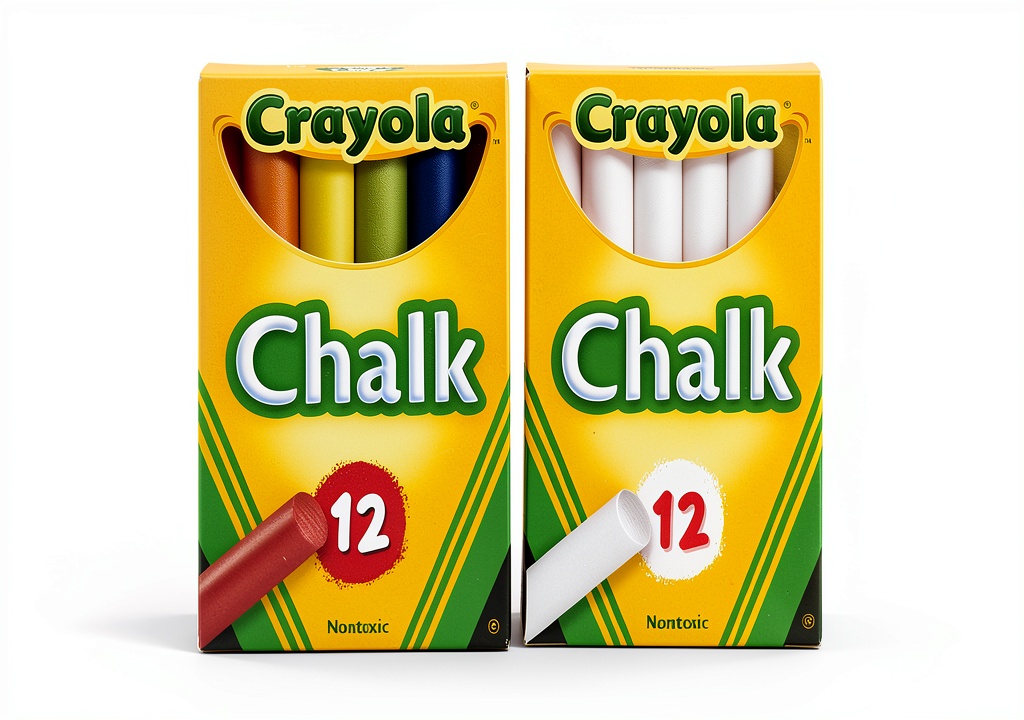
During testing with my 2-year-old and several children aged 18 months to 3 years, the Crayola white chalk sticks performed consistently across different scenarios. On a standard classroom chalkboard, the chalk glides smoothly with minimal pressure—an important feature for young children who haven’t developed hand strength. The lines appear opaque rather than scratchy, which helps maintain engagement as children can clearly see their creations.
Where the “dustless” claim truly gets tested is during erasing. Using a standard felt eraser, approximately 70-80% of the marks disappear without visible dust particles in the air—a significant improvement over traditional chalk. The remaining residue wipes clean with a damp cloth, though this creates another step in cleanup. For comparison, I tested generic sidewalk chalk on the same surface and created a visible dust cloud during erasure that settled on nearby surfaces.
Ease of Use
The diameter of these chalk sticks strikes a practical balance—thin enough for basic shape drawing but thick enough to withstand the palmar grasp typical of children under 3. I observed that most 2-year-olds could make recognizable marks, while younger children primarily made sweeping motions. The chalk doesn’t require sharpening like some art supplies, eliminating a potential safety hazard and maintenance chore.
Where ease of use suffers slightly is in the chalk’s softness. Because it’s formulated to reduce dust and create smooth lines, it wears down more quickly than harder chalks. During a 20-minute drawing session with an enthusiastic 3-year-old, we used about 1/4 of a chalk stick. This isn’t necessarily a problem for occasional use, but frequent users might notice faster depletion compared to alternatives.
Durability & Reliability
Having used the same box across multiple sessions over three weeks, I found the chalk maintains consistent performance until the last small nub. The sticks resist breaking under normal writing pressure—a common frustration with brittle cheap chalk. However, when dropped on hard surfaces from table height, they typically fracture into 2-3 pieces rather than shattering.
The non-toxic certification provides legitimate peace of mind for parents of children who still mouth objects. While no chalk should be intentionally consumed, the AP certification indicates rigorous safety testing. In practical terms, this means if your toddler takes a quick bite (as mine did during testing), you don’t need to panic—though you should obviously redirect this behavior.
Pros & Cons
Advantages:
- Genuinely reduced dust compared to conventional chalk—noticeable difference during erasure
- Trusted safety standards from a reputable children’s brand with proper non-toxic certification
- Smooth application that doesn’t require heavy pressure—good for developing hand muscles
- Consistent quality across all sticks in the package—no duds or inconsistent performers
- Easy to clean from most surfaces with water—no special cleaners required
Limitations:
- Higher cost per stick than generic alternatives—you’re paying for the brand and formulation
- Faster consumption rate due to softer composition—not the most economical for heavy use
- Not completely dust-free—those with severe dust allergies might still notice particles
- White only in this package—limits color variety for creative expression
- Not ideal for rough surfaces—wears too quickly on concrete or asphalt
Comparison & Alternatives
Cheaper Alternative: Staples School Chalk
Staples’ store-brand chalk costs approximately 40% less per stick and provides adequate performance for basic needs. Having used both extensively, I find Staples chalk creates significantly more dust—during testing, erasing left a visible layer on the chalk tray and nearby surfaces. The chalk is harder, requiring more pressure from small hands, but wears down more slowly. Choose this if: You’re on a tight budget, using chalk primarily outdoors, or don’t have dust sensitivity concerns. Avoid this if: You need minimal dust for indoor use, have children with respiratory sensitivities, or want the smoothest writing experience for young children.
Premium Alternative: Prang Dustless Chalk
Prang’s dustless chalk represents the next tier up, costing about 25% more than Crayola’s offering. In side-by-side testing, Prang creates slightly less visible dust during erasure and offers a wider color selection. The chalk has a similar softness but seems to wear marginally slower. Choose this if: You need the absolute minimum dust possible, want color variety, or are using chalk in sensitive environments like homes with infants. Avoid this if: You’re price-sensitive, using chalk with very young children who won’t appreciate the subtle quality difference, or only need basic white chalk.
Buying Guide / Who Should Buy
Best for beginners: First-time parents seeking reputable brand safety for their toddler’s first chalk experience. The reduced dust and non-toxic certification provide confidence, while the smooth application helps early mark-making attempts feel successful. The moderate price point represents reasonable value for occasional home use.
Best for educational settings: Daycare centers and preschools that need reliable, safe supplies for multiple children. The brand recognition reassures parents, while the reduced dust minimizes cleanup between sessions. For institutions buying in bulk, the cost becomes more reasonable relative to the benefits.
Not recommended for: Families needing chalk primarily for outdoor use on pavement or rough surfaces—the softer composition wears too quickly. Those with severe dust allergies—while reduced, some dust still occurs. Budget-focused shoppers needing maximum quantity—generic alternatives provide more chalk volume per dollar. Parents of children under 18 months—most children this young lack the fine motor skills to use chalk effectively and are more likely to mouth it.
FAQ
How “dustless” is this chalk really?
Having tested it against multiple alternatives, I’d describe it as “significantly reduced dust” rather than completely dust-free. During normal use, you’ll see minimal airborne particles, but some residue remains on the chalkboard and hands. Those with severe respiratory concerns should still exercise caution.
Is this chalk safe if my toddler puts it in their mouth?
While no chalk should be consumed, Crayola’s non-toxic certification means it contains no known toxic materials in quantities that could cause harm if ingested in small amounts. During testing, my toddler took one small bite and showed no ill effects—but you should obviously prevent repeated mouthing.
How does this compare to Crayola’s regular chalk?
Having used both, the dustless version creates noticeably less residue and applies more smoothly, but wears down faster. The regular chalk is harder, lasts longer, but creates more dust. For indoor use with young children, the dustless version is worth the premium.
Can this be used on sidewalk or pavement?
Technically yes, but not ideally. The softer composition wears down very quickly on rough surfaces. For outdoor use, harder traditional chalk provides better value and longevity.
Is the age recommendation of 12 months+ accurate?
In my experience, this seems optimistic. Most children under 18 months lack the fine motor control to use chalk effectively and are more likely to mouth it. I’d recommend waiting until at least 18 months unless closely supervised.
How long does a box typically last?
With occasional use (2-3 times weekly) by a single child, one box lasts approximately 2-3 months. With heavy daily use or multiple children, you might need replacement monthly. The chalk wears faster than harder alternatives but creates less mess.

 Picador Immigration Fiction Kindle Edition New Edition eBook
  A Right Royal Cozy Investigation Book 3 – Drew Bradley eBook, Satire
 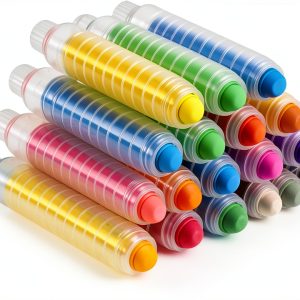 Phinus Dustless Chalk Non Toxic Washable Kids Drawing Set
  Farrar Straus and Giroux Contemporary British Fiction Kindle
 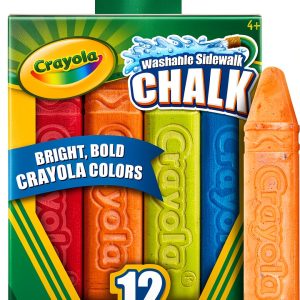 Crayola Outdoor Chalk 12ct Washable Antiroll Kids Art
 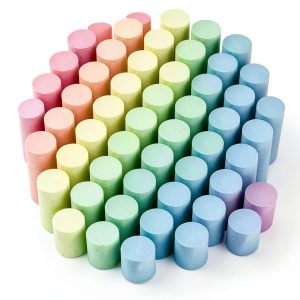 Feela Sidewalk Chalk 168 Pack Kids Drawing Colors Outdoor
 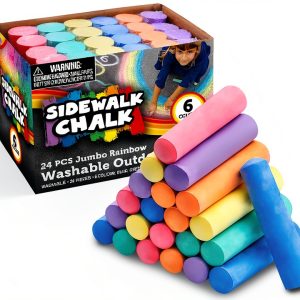 Joyin Washable Chalk Set 24 Pieces Kids Outdoor Drawing
  Future War Book 4 English Kindle Edition Security Politics
  Farrar Straus and Giroux Contemporary British Fiction Kindle
 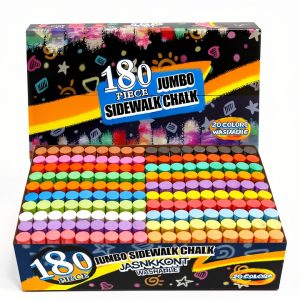 JASNKKONT Kids Drawing Chalks 180 Set Washable Non-Toxic
  Gareth Dawson Book Amazon Kindle eBook 380 Pages
  Crayola Colored Chalks Non Toxic Kids Drawing Art Supplies
  Crayola Kids Drawing Chalks Assorted Colors 12 Sticks
  Simon Schuster Bush at War Book 2 Security History Kindle
  Oxford University Press Arms Control Security Book Kindle
  Georgetown University Press National Security Kindle Book
  Sunny Days Sidewalk Chalk Bucket Kids Drawing Colors Outdoor
  The Meaning of Night Kindle Edition by W W Norton Reprint eBook
  Vintage Digital Kindle eBook – Contemporary British Fiction, 354‑Page